

Repair Leaking Boiler Pipe: What You Need to Know
A leaking boiler pipe can be a real headache. It’s not just about the water dripping or pooling; it can cause damage to your home and affect your heating system’s efficiency. If you’ve noticed a leak, you’re probably wondering what to do next. I’m here to guide you through the basics of fixing a leaking boiler pipe safely and effectively. Whether you’re a homeowner or managing a business property, understanding the steps can save you time and stress.
Understanding How to Repair Leaking Boiler Pipe
When you spot a leak, the first thing to do is identify where it’s coming from. Boiler pipes can leak for several reasons: corrosion, loose joints, or even damage from freezing temperatures. Knowing the cause helps you decide whether it’s a quick fix or if you need professional help.
Here’s a simple way to check:
Turn off your boiler and let it cool down.
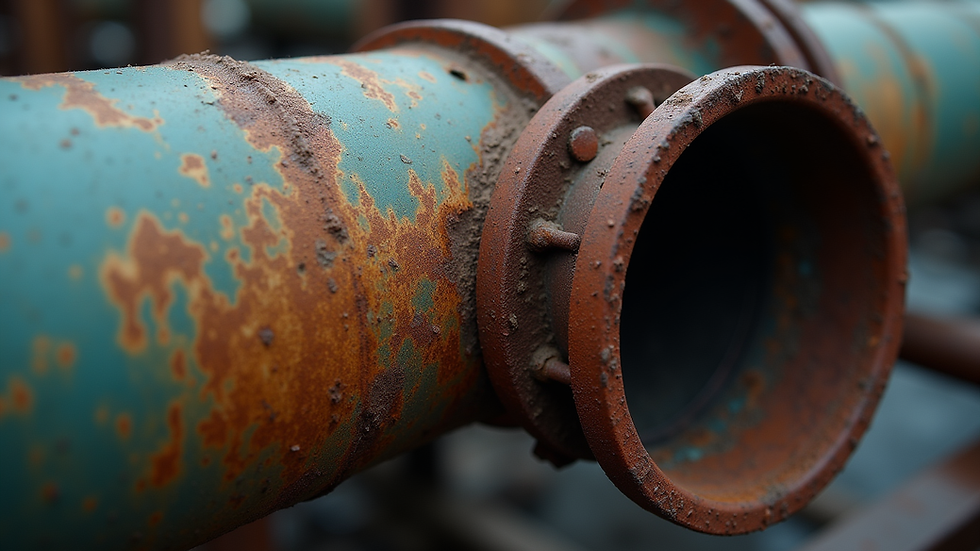
Inspect the pipes closely for any visible cracks or rust.
Look at the joints and connections for any signs of water pooling or dampness.
Check the pressure gauge on your boiler; high pressure can cause leaks.
If you find a small crack or a loose joint, you might be able to fix it yourself with some basic tools and materials. For example, tightening a loose fitting with a wrench or applying a pipe repair tape can stop minor leaks temporarily.
However, if the pipe is severely damaged or the leak persists, it’s best to call a professional. Attempting a complex repair without the right skills can make things worse.
How do I stop my boiler overflow pipe from leaking?
The boiler overflow pipe is designed to release excess pressure and prevent damage. If this pipe is leaking, it usually means your boiler’s pressure is too high or there’s a blockage.
Here’s what you can do:
Check the pressure gauge - The ideal pressure is usually between 1 and 1.5 bar when the system is cold. If it’s higher, you need to reduce it.
Bleed your radiators - Trapped air can cause pressure to rise. Use a radiator key to release air until water flows steadily.
Inspect the overflow pipe - Make sure it’s not blocked or damaged.
Reset the boiler - Sometimes, a simple reset can fix pressure issues.
If the overflow pipe keeps leaking after these steps, it might be a sign of a faulty pressure relief valve or other internal problems. In that case, professional servicing is necessary.

Quick Fixes for a Leaking Boiler Pipe
If you’re dealing with a minor leak and want to stop it quickly, here are some practical tips:
Turn off the water supply to the boiler to prevent further leakage.
Use pipe repair tape or epoxy putty as a temporary seal. These materials are easy to apply and can hold until a permanent repair is done.
Tighten any loose fittings with a wrench, but be careful not to overtighten and cause damage.
Replace washers or seals if you notice they are worn out.
Remember, these are short-term solutions. A leaking boiler pipe is a sign that something needs proper attention. Leaving it untreated can lead to bigger problems like water damage or boiler failure.
When to Call a Professional for Boiler Pipe Leaking
Sometimes, the best choice is to get expert help. If you notice any of the following, it’s time to call a professional:
The leak is large or persistent.
You smell gas or notice unusual noises from the boiler.
The boiler pressure keeps dropping or rising unexpectedly.
You’re unsure about handling the repair safely.
A qualified plumber or heating engineer can diagnose the issue accurately and fix it with the right tools and parts. They also ensure your boiler is safe to use, which is crucial for your home or business.
If you want to learn more about how to handle a boiler pipe leaking situation, visiting a trusted local expert’s website can provide detailed advice and services.
Keeping Your Boiler Pipes in Good Shape
Prevention is always better than cure. To avoid leaks and keep your boiler running smoothly, follow these tips:
Schedule regular maintenance with a professional at least once a year.
Check your boiler pressure monthly and adjust if needed.
Insulate your pipes during cold months to prevent freezing and cracking.
Keep the area around your boiler clean and dry to spot leaks early.
Use your heating system regularly to avoid stagnation and corrosion.
By taking these simple steps, you can extend the life of your boiler and avoid unexpected leaks.
What to Expect from a Professional Boiler Pipe Repair
When you hire a professional, here’s what usually happens:
They will inspect your boiler and pipes thoroughly.
Identify the exact cause of the leak.
Recommend the best repair method, whether it’s replacing a section of pipe, tightening fittings, or servicing the boiler.
Perform the repair safely and efficiently.
Test the system to ensure there are no more leaks and everything works properly.
A professional repair not only fixes the leak but also gives you peace of mind that your heating system is safe and reliable.
Fixing a leaking boiler pipe doesn’t have to be stressful. With the right knowledge and timely action, you can protect your property and keep your heating system in top shape. If you ever feel unsure, don’t hesitate to reach out to a trusted expert who can help you get the job done right.


Comments